
Hard-water relief
Water Softener Installation in The Woodlands
Ion-exchange softening for homes near Lake Woodlands Drive and Grogan's Mill Road, matched to your measured hardness and household size.
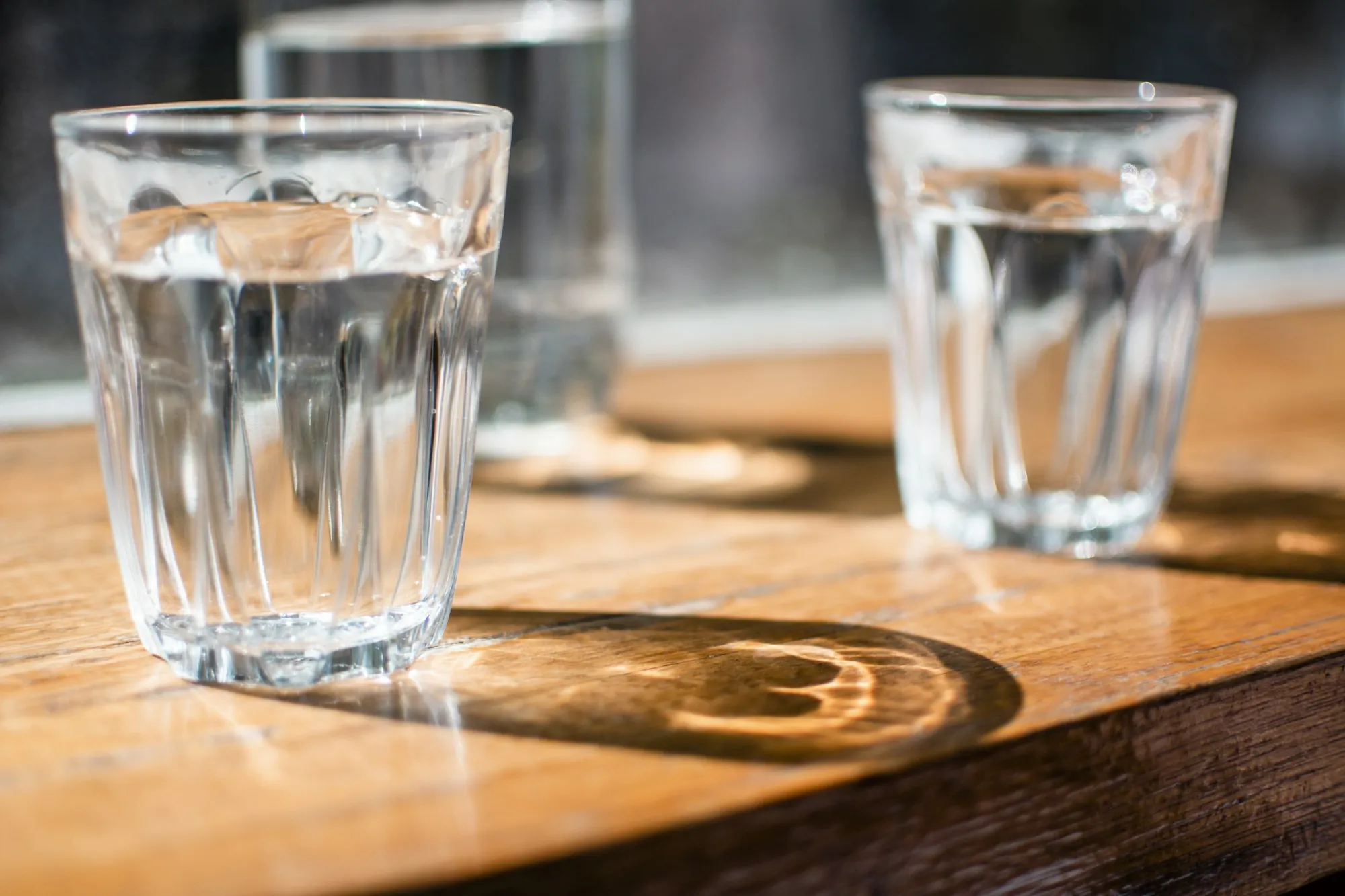
Ending Hard-Water Scale in The Woodlands
Hard water announces itself slowly: a white crust around faucet bases, cloudy film on drinking glasses, shower doors that never look clean, and a water heater that seems to work harder each year. Many neighborhoods in The Woodlands see noticeably hard water, and homeowners usually call when the spotting becomes a weekly frustration or when an appliance fails sooner than it should. The Woodlands Water Filtration starts every softener visit by measuring hardness and iron at your tap, because those two numbers determine resin capacity and regeneration settings. We then size a system to your household's daily usage, explain salt and maintenance needs honestly, and quote the full install at a flat rate.
What a Softener Installation Includes
Softening done well is mostly about correct sizing and setup. Here is what every install covers.
-
Hardness and iron measurement
We record grains of hardness and any iron present, since both affect resin capacity and how often the system regenerates.
-
Resin tank sizing
We match tank capacity to the number of people and bathrooms so the softener regenerates efficiently instead of burning salt.
-
Metered control valve
A demand-initiated valve regenerates based on actual water use, which saves salt and water compared with simple timers.
-
Brine tank placement
We position the brine tank for easy salt refills and set the correct salt dose for your hardness level.
-
Bypass and drain connection
A bypass valve allows service without shutting off the house, and the drain line includes a proper air gap to meet code.
-
Hose bib planning
Where practical, we leave an outdoor spigot on hard water for irrigation, saving salt and keeping soft water inside where it matters.
-
Programming and first regeneration
We program the valve to your measured hardness and run the first cycle so the system starts working correctly from day one.
-
Soft-water verification
Before leaving, we test treated water at a kitchen tap to confirm hardness has dropped to the target level.
How We Install Your Softener
-
Measure the hardness
A specialist tests your water and looks over the space near the main line or water heater. You see the hardness reading in grains per gallon and learn what it means for fixtures and appliances. Plan on about forty-five minutes.
-
Size and quote the system
We recommend a tank size and valve type based on your readings and household, then provide a flat-rate written quote. If a salt-free conditioner would suit you better, we tell you that too.
-
Install, program, and test
Installation usually takes a few hours. We plumb the bypass and drain, program the valve, run the first regeneration, and confirm soft water at the tap before we go.
Why Homeowners Trust Us With Their Softener
Sized, never oversold
A bigger softener is not a better softener. We size to your real usage so you are not paying for capacity or salt you will never need.
Honest salt-free comparison
If your goals are mainly scale protection with low upkeep, we explain the salt-free option openly rather than defaulting to the larger sale.
Protecting your plumbing
Correct drain air gaps, secure bypass valves, and tidy connections keep a softener from ever becoming a source of leaks.
What comes with every visit
- Licensed & insured
- Flat-rate written quotes
- Single-visit installs
- Certified softening equipment
Say Goodbye to Spotty Glasses and Crusted Faucets
A hardness test takes minutes and tells you exactly how much softening your home needs. From there, the install is usually finished in a single visit.